Why Tyre Pressure Matters More Than You Think

Why Tyre Pressure Matters More Than You Think

Why Tyre Pressure Matters More Than You Think

Why Tyre Pressure Matters More Than You Think

Many drivers pay attention to their tyres when it’s time for a replacement, but one of the simplest ways to improve tyre performance, tyre safety, and fuel efficiency is often overlooked: maintaining the correct tyre pressure.

Driving with the recommended tyre pressure helps your vehicle perform as it was designed to. It can improve handling, increase fuel economy, reduce tyre wear, and help extend the life of your tyres. Regularly checking tyre pressure is a simple maintenance task that can deliver significant benefits for both safety and savings.

Benefits of Maintaining Correct Tyre Pressure

Tyres are designed to perform best at the pressure recommended by your vehicle manufacturer. Maintaining the correct tyre pressure helps keep your vehicle safe, efficient, and performing at its best.

Benefits of proper tyre inflation include:

✅ Improved road safety

✅ Better handling and braking performance

✅ Increased fuel efficiency

✅ Longer tyre life

✅ More even tyre wear

✅ Greater driving comfort

A few minutes spent checking your tyre pressure each month can help reduce running costs and keep you and your passengers safer on the road.

How Often Should You Check Tyre Pressure?

Regular tyre pressure checks are an important part of vehicle maintenance. As a general rule, you should:

â—¦ Check your tyre pressure at least once a month

â—¦ Check before long road trips

â—¦ Check when carrying heavy loads

â—¦ Check whenever there is a significant change in temperature

For the most accurate reading, always check tyre pressure when the tyres are cold.

Where Can You Find the Recommended Tyre Pressure?

The correct tyre pressure for your vehicle can usually be found:

â—¦ On your vehicle placard

â—¦ In your vehicle owner’s manual

â—¦ On the fuel filler flap (for some vehicles)

Why Correct Tyre Pressure Improves Safety

Driving with tyres that are not correctly inflated can affect vehicle handling, braking performance, fuel consumption, and tyre wear. Maintaining the recommended tyre pressure helps ensure your tyres have the best possible contact with the road surface, providing safer and more reliable performance in a range of driving conditions.

Let Ryanie For Tyres Help

Not sure if your tyre pressure is correct?

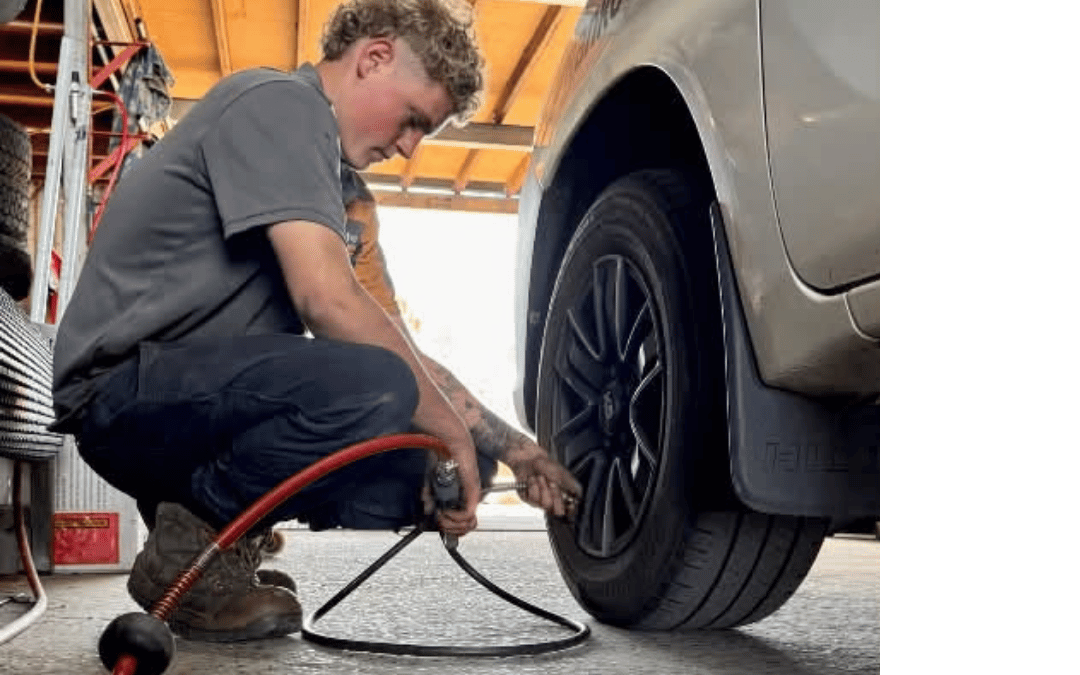
At Ryanie For Tyres, our experienced team can quickly check your tyre pressure and ensure your tyres are inflated to the correct level. We’ll also inspect your tyres for uneven wear and other issues that could impact your safety, fuel efficiency, and tyre performance.

Maintaining the correct tyre pressure is one of the easiest ways to get the most from your tyres and enjoy a safer, more economical drive.

Visit Ryanie For Tyres today for expert tyre advice and a professional tyre inspection. We’re here to help keep you rolling safely. 🛞🚗✅

By Locals, for Locals.
Do You Know How Old Your Tyres Are?

Do You Know How Old Your Tyres Are?

Do You Know How Old Your Tyres Are?

Do You Know How Old Your Tyres Are?

Most drivers know their tyre size, but surprisingly few know the age of their tyres.

While checking tread depth is an important part of vehicle maintenance, tyre age is just as critical when it comes to tyre safety and performance. Even tyres that appear to be in good condition can deteriorate over time, potentially affecting their grip, handling, and reliability on the road.

Understanding how old your tyres are and regularly checking their condition can help you stay safer behind the wheel.

How to Check Your Tyre Age

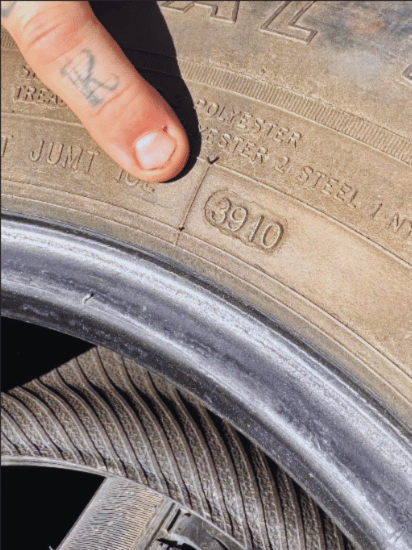
Every tyre has a manufacturing date stamped on its sidewall as part of the DOT code. Checking your tyre age only takes a few seconds and can provide valuable insight into the overall condition of your tyres.

Look for the four-digit date code:

â—¦ The first two digits indicate the week the tyre was manufactured.

â—¦ The last two digits indicate the year it was manufactured.

For example, a tyre marked 2422 was manufactured in the 24th week of 2022.

If you’ve never checked your tyre age before, now is a great time to take a closer look.

Why Tyre Age Matters

Many people assume tyres only wear out through driving, but tyres also naturally deteriorate as they age.

Over time, the rubber compounds in tyres are exposed to factors such as:

â—¦ Sunlight and UV rays

â—¦ Heat and changing weather conditions

â—¦ Moisture and environmental exposure

â—¦ Extended periods of inactivity

As tyres age, they can become less flexible and may lose some of their ability to grip the road effectively. This natural ageing process can affect tyre performance, even if there is still plenty of tread remaining.

That’s why knowing the age of your tyres is just as important as monitoring their tread depth.

Don’t Just Check the Tread

When evaluating your tyres, it’s important to look beyond tread depth alone.

A comprehensive tyre inspection should include:

✅ Tyre age

✅ Tread depth

✅ Signs of cracking or weathering

✅ Uneven wear patterns

✅ Correct tyre pressure

✅ Overall tyre condition

Regular tyre checks can help identify issues early, potentially reducing the risk of tyre failure and improving vehicle safety.

The Importance of Regular Tyre Inspections

Routine tyre inspections can help maximise tyre life, improve fuel efficiency, and ensure your tyres remain roadworthy.

Whether you’re preparing for a long trip or simply commuting every day, regularly checking your tyre condition can provide peace of mind and help keep you and your family safe on the road.

Free Tyre Inspection at Ryanie For Tyres

Not sure how old your tyres are or whether they’re still in good condition?

At Ryanie For Tyres, we offer a FREE tyre inspection to help you stay safe on the road. Our experienced team will assess your tyre age, tread depth, tyre pressure, and overall tyre condition to ensure your tyres are performing as they should.

If you’re concerned about old tyres or simply want expert advice, visit Ryanie For Tyres today.

Drop into Ryanie For Tyres for a FREE tyre inspection and drive away with confidence. 🛞✅

By Locals, for Locals.

How to Choose the Right Battery for Your 4WD

How to Choose the Right Battery for Your 4WD

How to Choose the Right Battery for Your 4WD

How to Choose the Right Battery for Your 4WD

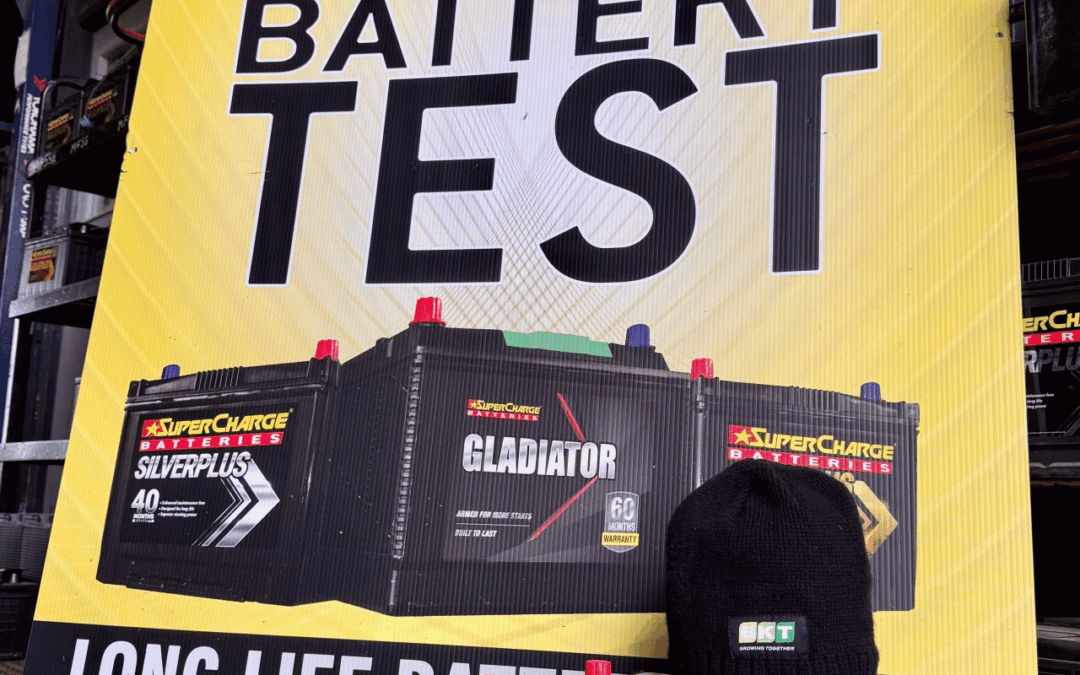
Whether your 4WD is your everyday vehicle, work ute or set up for weekends away, choosing the right battery is important. Modern 4WDs can place significant demands on their electrical systems, particularly when accessories such as fridges, lighting, winches, communication equipment and other electrical gear are added.

The right battery isn’t simply the biggest or most powerful option available. It needs to suit your vehicle, how you use it and the electrical load you expect it to handle.

What Should You Consider When Choosing a 4WD Battery?

There are several things worth considering before replacing or upgrading the battery in your 4WD.

1. Your Vehicle’s Requirements

Start with the requirements specified for your vehicle. Battery size, terminal configuration, capacity and starting requirements can vary considerably between vehicles.

Choosing a battery that is correctly suited to your 4WD is particularly important with modern vehicles, where the battery may form part of a much more sophisticated electrical and charging system.

2. How You Use Your 4WD

A 4WD used mainly for driving around town may have very different battery requirements from a vehicle regularly travelling long distances, working on a farm, towing or heading off-road.

Think about how the vehicle is actually used. Frequent short trips, long periods without use and demanding working conditions can all affect battery performance and lifespan.

3. Accessories and Additional Electrical Loads

Many 4WDs have accessories that draw additional power, including:

  • Portable and built-in fridges
  • Driving and work lights
  • Winches
  • UHF radios and communication equipment
  • Camping equipment
  • Inverters and charging systems
  • Other aftermarket electrical accessories

If your 4WD has additional electrical equipment, it is important to consider the total electrical demand rather than simply replacing the existing battery with whatever fits in the battery tray.

Understanding CCA, Ah and Reserve Capacity

Battery specifications can be confusing, but there are a few common measurements worth understanding.

Cold Cranking Amps (CCA)

Cold Cranking Amps relates to a battery’s ability to supply the current required to start an engine. Your replacement battery should meet the requirements of your particular vehicle rather than being selected on CCA alone.

Amp Hours (Ah)

Amp Hours is a measure of battery capacity. This becomes particularly relevant when considering batteries that may be required to supply electrical accessories over longer periods.

Reserve Capacity (RC)

Reserve Capacity provides another indication of how long a battery can continue supplying electrical power under specified conditions. It can be an important consideration where a vehicle has higher electrical demands.

These specifications should be considered together with the vehicle manufacturer’s requirements, the battery type and the way you use your 4WD.

Do You Need a Dual-Battery System?

If you regularly run accessories while the vehicle is switched off, a properly designed auxiliary or dual-battery system may be worth considering.

A typical setup separates the battery responsible for starting the vehicle from an auxiliary battery used to power accessories. This can help reduce the risk of running down the starting battery while using equipment at camp, on the farm or at a worksite.

However, charging systems vary between vehicles, particularly in newer 4WDs, so an auxiliary battery system needs to be compatible with the vehicle rather than treated as a one-size-fits-all solution.

Signs Your 4WD Battery May Need Attention

A battery doesn’t always fail without warning. Some common signs that your battery or charging system should be checked include:

  • The engine is slower than usual to crank
  • Clicking when attempting to start the vehicle
  • Electrical equipment behaving inconsistently
  • Battery or charging-system warning lights
  • Visible damage, swelling or corrosion around the battery
  • Needing to jump-start the vehicle

If you’re experiencing starting problems, it is worth having the battery and charging system checked rather than automatically assuming the battery is the only problem.

Choosing a Battery for Country and Regional Driving

For drivers around Warwick, Clifton and the wider Southern Downs, a 4WD is often more than a weekend vehicle. It may be a work vehicle, tow vehicle, farm ute and everyday transport all rolled into one.

Long distances, country roads, towing, farm use and additional accessories can place different demands on a battery compared with a vehicle used predominantly for short metropolitan trips.

That’s why choosing a battery based on how you actually use your vehicle can be just as important as choosing one that physically fits.

Need Help Choosing the Right Battery for Your 4WD?

If you’re unsure which battery is right for your vehicle, speak with the team at Ryanie for Tyres.

We can help you find a battery suited to your 4WD, your driving requirements and the way you use your vehicle. With stores in Warwick and Clifton, our local team provides practical advice for drivers throughout the Southern Downs and surrounding areas.

By Locals, for Locals.

How to Keep Your Caravan Tyres in Good Condition

How to Keep Your Caravan Tyres in Good Condition

How to Keep Your Caravan Tyres in Good Condition

How to Keep Your Caravan Tyres in Good Condition

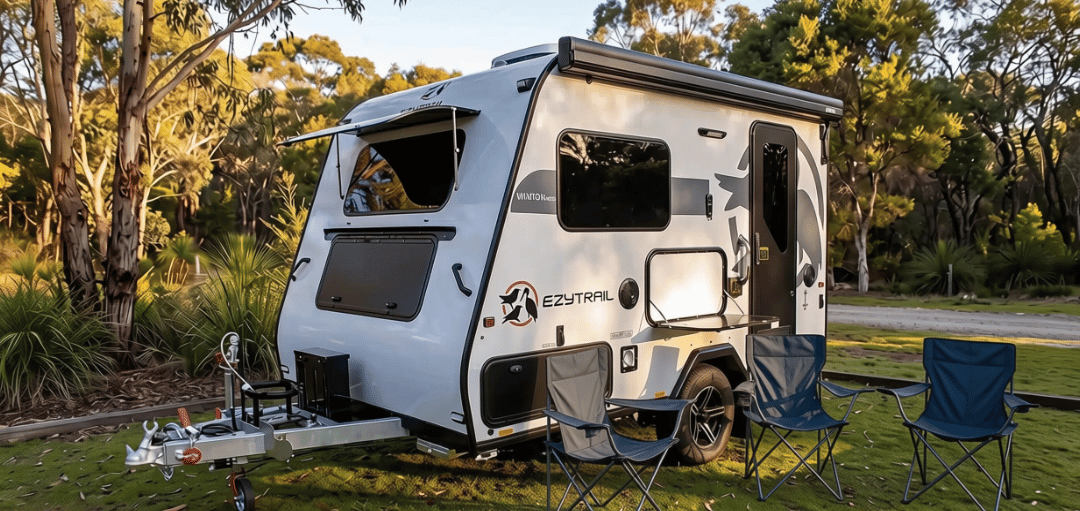
Caravan tyres can spend long periods sitting still, followed by hours of highway driving while carrying significant loads. That combination means looking after your caravan tyres is particularly important – not only for getting the best life from them, but also for helping keep your caravan safe and reliable on the road.

Whether you’re preparing for a weekend away or a longer trip, a few simple checks before you leave can help identify potential tyre problems before they become problems on the road.

1. Check Your Caravan Tyre Pressures

Tyre pressure should be checked regularly and particularly before a long trip. Incorrect pressure can affect handling, tyre wear and heat build-up, especially when travelling at highway speeds or carrying heavier loads.

Check pressures when the tyres are cold and make sure they are appropriate for the tyre, caravan and load being carried. Don’t simply assume that the pressure used for your tow vehicle will also be suitable for your caravan.

2. Inspect Your Tyres Before You Travel

Take a few minutes to visually inspect each tyre before heading away. Look for signs of damage or deterioration, including:

  • Cracks or splits in the sidewalls
  • Bulges or unusual deformation
  • Cuts, punctures or embedded objects
  • Uneven or excessive tread wear
  • Damage around the bead or wheel

Don’t forget to inspect the inside-facing sidewall where possible. Damage isn’t always visible from the outside of the caravan.

3. Don’t Judge a Caravan Tyre by Tread Depth Alone

Caravan tyres often behave differently from tyres on an everyday vehicle. Because a caravan may only travel relatively short distances each year, the tyres can still have plenty of visible tread while deteriorating due to age, weather exposure and long periods of storage.

That means a tyre that appears to have plenty of tread remaining isn’t necessarily in good condition.

If you’re unsure about the condition or age of your caravan tyres, have them inspected by a tyre professional before your next trip.

4. Check the Age of Your Tyres

Tyres carry a manufacturing date code on the sidewall which can be used to determine when they were produced.

This is particularly useful with caravans because tyres may remain fitted for many years without wearing through their tread. As tyres age, the rubber and internal components can deteriorate even when the caravan isn’t regularly being driven.

Age isn’t the only factor that determines whether a tyre needs replacing, but it should form part of the overall assessment of its condition.

5. Make Sure Your Tyres Are Suitable for the Load

Caravan tyres need to be suitable for the weight they are carrying. Overloading a tyre beyond its rated capacity can contribute to excessive heat, premature wear and tyre failure.

It’s important to consider the actual loaded weight of your caravan – including water, gas bottles, food, camping equipment, tools and everything else you add before travelling.

The tyres fitted should have an appropriate load rating for the caravan and its operating conditions.

6. Watch for Uneven Tyre Wear

Uneven wear can indicate more than simply a worn tyre. It may point to incorrect tyre pressure, alignment issues, suspension problems or other mechanical factors that need attention.

Regularly checking the tread across the full width of each tyre can help you identify unusual wear before it becomes more severe.

7. Look After Your Tyres While the Caravan Is Stored

Many caravans spend considerably more time parked than they do travelling. Where and how your caravan is stored can therefore have an impact on tyre condition.

Where practical, keep tyres protected from prolonged exposure to direct sunlight and weather. Check pressures periodically and inspect the tyres before putting the caravan back on the road after an extended period of storage.

If the caravan has been sitting for a long time, a professional tyre inspection before a major trip is a sensible precaution.

8. Don’t Forget the Spare Tyre

Your caravan’s spare tyre is easy to overlook because it isn’t normally on the road – but it’s the tyre you’ll be relying on if something goes wrong.

Check the spare for correct pressure, damage and deterioration, and make sure it remains suitable for use. It’s also worth checking that you have the correct equipment required to safely change a wheel should you need to.

Before Your Next Caravan Trip

If you’re planning a trip from Warwick, Clifton or elsewhere across the Southern Downs, add a tyre check to your pre-trip preparation.

Country roads, highway travel, changing road surfaces and a heavily loaded caravan can all place demands on your tyres. Making sure they’re correctly inflated, in good condition and suitable for the load before you leave can help reduce the likelihood of tyre trouble while you’re away.

Need Your Caravan Tyres Checked?

If you’re unsure about the condition of your caravan tyres, bring your caravan in and speak with the team at Ryanie for Tyres.

Our local teams in Warwick and Clifton can inspect your tyres, provide practical advice and help you choose suitable replacement tyres when required.

By Locals, for Locals.

Why Tyre Pressure Matters More Than You Think

5 Simple Ways to Make Your Tyres Last Longer

5 Simple Ways to Make Your Tyres Last Longer

5 Simple Ways to Make Your Tyres Last Longer

Tyres are an important investment in your vehicle, and a little regular maintenance can go a long way towards getting the best possible life from them.

How long your tyres last will depend on a range of factors including the vehicle you drive, your driving habits, tyre pressures, wheel alignment, the loads you carry and the types of roads you regularly travel on.

For drivers around Warwick, Clifton and the Southern Downs, that can mean everything from highway and town driving to country roads, gravel, farm access and heavier work use.

Here are five simple ways to look after your tyres and help them wear more evenly.

1. Keep Your Tyres at the Correct Pressure

Regularly checking your tyre pressure is one of the simplest things you can do to look after your tyres.

Driving with incorrect tyre pressure can contribute to uneven or accelerated tyre wear and may also affect handling, braking and fuel consumption.

Tyre pressures should generally be checked when the tyres are cold and adjusted to suit your vehicle, tyres and operating conditions. If you’re carrying additional weight or towing, the appropriate pressure may also differ from your normal everyday setup.

Rather than relying on how a tyre looks, use an accurate tyre pressure gauge and refer to the vehicle manufacturer’s recommendations.

2. Have Your Wheel Alignment Checked

Poor wheel alignment can cause tyres to wear unevenly and, in some cases, significantly reduce their usable life.

Some common signs that your vehicle may need a wheel alignment include:

  • Uneven wear across the tyre tread
  • The vehicle pulling to one side
  • A steering wheel that isn’t centred when driving straight
  • Changes in steering or handling

Wheel alignment can be affected by everyday driving, particularly after hitting potholes, kerbs or travelling regularly over rough roads.

If you notice unusual tyre wear or a change in the way your vehicle drives, having the alignment checked early may help prevent further unnecessary tyre wear.

3. Rotate Your Tyres When Appropriate

Tyres don’t necessarily wear at the same rate on every position of a vehicle. Steering, braking, drivetrain configuration, vehicle weight and driving conditions can all contribute to different wear patterns.

Where suitable for your vehicle and tyre configuration, periodic tyre rotation can help promote more even wear across the set.

Not every tyre and wheel combination can be rotated in the same way, particularly where vehicles have different front and rear tyre sizes or directional tyres. If you’re unsure, ask your tyre specialist whether rotation is appropriate for your vehicle.

4. Check Your Tyres Regularly for Wear and Damage

Don’t wait until your next tyre replacement to take a close look at your tyres. Regular inspections can help identify problems before they become more serious.

Look for:

  • Uneven tread wear
  • Cuts, cracks or damage to the sidewall
  • Bulges or unusual deformation
  • Objects embedded in the tread
  • Excessive or irregular tread wear

Pay attention to changes in vibration, road noise or handling as well. These don’t always mean there is a tyre problem, but they are worth investigating.

If you’re unsure about the condition of a tyre, have it professionally inspected.

5. Drive to the Conditions

The way a vehicle is driven has a significant influence on tyre wear.

Hard acceleration, heavy braking and aggressive cornering can all increase the rate of tyre wear. Rough roads, potholes, gravel and unsealed surfaces can also be harder on tyres and wheel alignment.

This is particularly relevant for vehicles regularly travelling on country roads, farm properties and worksites around the Southern Downs.

Driving appropriately for the road conditions and avoiding potholes and road hazards where safely possible can help protect both your tyres and wheels.

A Little Tyre Maintenance Can Make a Big Difference

Getting good life from your tyres isn’t about one particular maintenance task. It’s about keeping an eye on tyre pressure, wear, wheel alignment and the general condition of your tyres throughout their life.

Regular tyre checks can also help identify unusual wear early, giving you an opportunity to investigate the cause rather than simply replacing a prematurely worn tyre.

Need Some Advice About Your Tyres?

If you’re unsure about your tyre condition, pressure, wear or wheel alignment, speak with the team at Ryanie for Tyres.

With stores in Warwick and Clifton, our local team can inspect your tyres, provide practical advice and help you choose the right replacement tyres when the time comes.

We work with everything from everyday passenger vehicles and 4WDs through to work utes, trucks and agricultural equipment across the Southern Downs.

By Locals, for Locals.

How to Choose the Right Tyres for Your Vehicle

How to Choose the Right Tyres for Your Vehicle

How to Choose the Right Tyres for Your Vehicle

How to Choose the Right Tyres for Your Vehicle

Choosing the right tyres for your vehicle isn’t simply a matter of finding the correct size. The tyres you choose can affect handling, comfort, road noise, fuel economy, durability and how your vehicle performs in different driving conditions.

With so many brands, tread patterns and tyre types available, it can be difficult to know which option is actually right for you. That’s where good advice makes a difference.

At Ryanie for Tyres, we help our customers choose tyres based on their vehicle, where they drive, what they use it for and what they want from their tyres. Whether you’re driving around town, travelling country roads, working on the farm or heading off-road, our experienced team can help you find the right fit.

1. Start With the Correct Tyre Size

The first consideration is making sure the tyre is suitable for your vehicle. Tyres are identified by specifications including their width, profile, wheel diameter, load rating and speed rating.

Your vehicle manufacturer provides specifications for suitable tyres, and these should form the starting point when choosing replacements.

If you’re unsure what the numbers on the side of your tyre mean, don’t worry – bring your vehicle into Ryanie for Tyres and our team can identify the correct size and suitable options for you.

2. Think About Where You Drive

Two people driving similar vehicles may need very different tyres depending on where and how they drive.

A vehicle predominantly used around Warwick or Clifton may have different requirements from a ute regularly travelling on gravel roads, a 4WD used off-road, or a vehicle covering long distances on country highways.

Consider the surfaces you regularly drive on, including:

  • Town and suburban roads
  • Highways and long-distance country driving
  • Gravel and unsealed roads
  • Farm and property access
  • Off-road conditions
  • Worksites and commercial use

The right tread pattern and tyre construction can make a significant difference to how well a tyre suits these conditions.

3. Consider What You Use Your Vehicle For

Your vehicle’s workload is just as important as where you drive it.

An everyday passenger car has very different requirements from a work ute carrying tools, a 4WD towing a caravan, or a vehicle regularly carrying heavier loads.

If you tow, carry equipment or regularly travel with additional weight, let us know when you’re choosing your tyres. Load requirements need to be considered when selecting a suitable tyre.

4. Choose the Right Type of Tyre

There are many different types of tyres available, and choosing between them can quickly become confusing.

Depending on your vehicle and its use, options may include highway terrain, all-terrain, mud-terrain, passenger, commercial and other specialised tyres.

For example, an aggressive off-road tyre may look impressive on a 4WD, but if the vehicle spends almost all of its time on sealed roads, a different tyre may provide better comfort, road manners and everyday performance.

Likewise, someone regularly travelling on gravel, accessing farms or heading off-road may need greater durability and traction than a predominantly town-driven vehicle.

Rather than choosing a tyre based on appearance or reputation alone, choose one that suits what your vehicle actually does.

5. Don’t Choose on Price Alone

Price is naturally an important consideration, but the cheapest tyre isn’t necessarily the best value – and the most expensive tyre isn’t automatically the best tyre for your vehicle either.

Different tyre brands and models are designed to provide different combinations of performance, durability, comfort and value.

A good tyre choice is one that provides the right balance for your vehicle, driving conditions and budget.

Ryanie for Tyres stocks a wide range of trusted tyre brands, which means our team can talk you through different options and help you compare what you’re getting for your money.

6. Consider Country and Regional Driving Conditions

For drivers throughout Warwick, Clifton and the Southern Downs, local conditions are an important part of choosing the right tyre.

Country driving can mean long highway distances, changing road surfaces, gravel, potholes, farm access and everything in between. Utes and 4WDs may also be expected to perform several roles – everyday transport during the week, work around the property and towing or recreational use on the weekend.

Local experience matters. Our team understands the roads and conditions our customers drive every day because we live and work here too.

7. Ask the Experts

You don’t need to become a tyre expert to choose the right tyres – that’s our job.

There are countless tyre options available, and online research can only tell you so much. Speaking with someone who understands tyres, your vehicle and local driving conditions can make the decision considerably easier.

At Ryanie for Tyres, we’ll ask how you use your vehicle, where you regularly drive, whether you tow or carry loads, what you liked or disliked about your previous tyres and what you’re looking to spend.

From there, we can recommend suitable options and explain the differences so you can make an informed choice.

Need New Tyres? Come In and Talk to Ryanie for Tyres

If your tyres are due for replacement or you’re simply not sure which tyre is right for your vehicle, come in and speak with the team at Ryanie for Tyres.

With stores in Warwick and Clifton, we provide expert tyre advice for passenger vehicles, utes, 4WDs, trucks, agricultural equipment and more.

Bring your vehicle into store, tell us how you use it and let our experienced team recommend the tyres best suited to your needs, driving conditions and budget.

Good tyres matter. Good advice matters too. Talk to the local tyre experts at Ryanie for Tyres.

By Locals, for Locals.